
Global · 2026
A brand-oriented and manufacturer procurement-oriented product formula explanation, breaking down how cleansing products, serums, sheet masks and eye masks form a complete skincare system, covering core active ingredients, formulation types, skin type compatibility and production manufacturing key points.
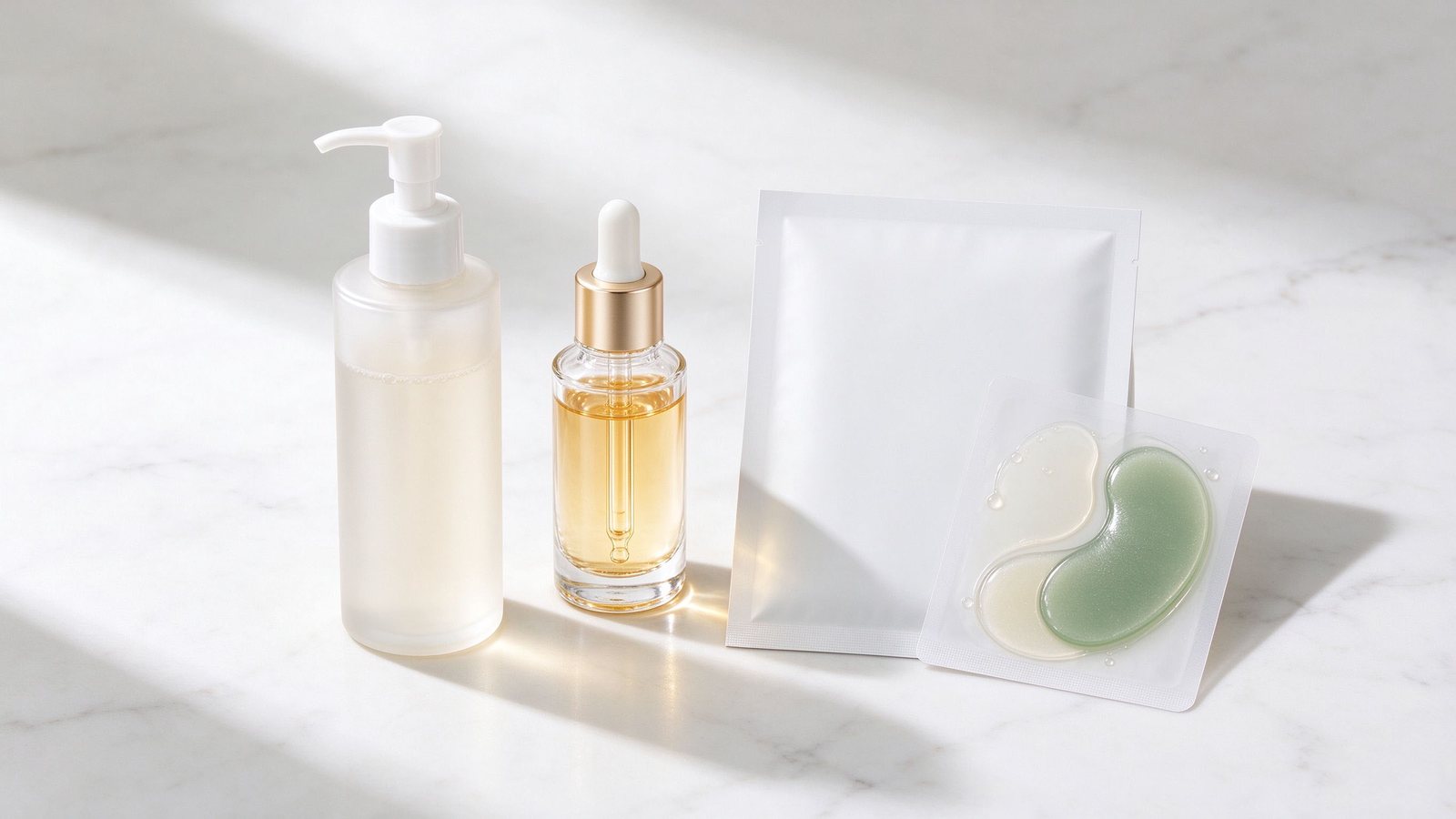
Think of a professional skincare line like a well-orchestrated meal. You wouldn't serve dessert before the soup, and you wouldn't slap a serum on top of a dirty face. Every step prepares the skin for what comes next. For brand owners building a private label or OEM collection, understanding how these four products talk to each other is the difference between a line that sells and a line that just sits on the shelf.
Let's walk through each step from a formulator's point of view.
Step one: the cleanser — the foundation nobody raves about, but everyone notices when it's wrong.
A great cleanser strips away the day's buildup — sebum, sweat, sunscreen, whatever makeup residue is left — without leaving the skin feeling like it's been dragged across sandpaper. The surfactant system is what decides everything: how it lathers, how it rinses, who it's for.
If you're going after oily, breakout-prone skin, a foaming gel built on SLS/SLES with a cocamidopropyl betaine booster gives that satisfying rich lather customers expect. For dry, sensitive, or mature skin, switch to a cream or milk base with mild non-ionic and amphoteric surfactants — low foam, no tightness, almost creamy. Want something trendier? An enzyme cleanser powered by papain or bromelain gives a gentle exfoliation angle without the irritation story. And oil cleansers? They're non-negotiable for anyone wearing heavy makeup or double-cleansing.
To make a cleanser stand out on shelf, layer in active ingredients that match your brand story. Niacinamide for sebum control. Salicylic acid for the acne line. Sodium hyaluronate so dry-skin customers don't feel squeaky-clean. Centella asiatica for the sensitive-skin crowd. Just remember: preservative system and pH (usually 5.0 to 6.5) make or break this product. Get that wrong and the whole batch is dead on arrival.
Step two: the serum — where the brand proves it's serious.
Serums are where customers judge whether you know what you're doing. They're the most concentrated, most active-dense step, and they're what people talk about.
Hydration sells forever. Multi-molecular-weight sodium hyaluronate at 0.1 to 2 percent, blended with glycerin, gives that plump, dewy effect without the heavy viscosity. Brightening is another massive category — but be careful here, because vitamin C is tricky. L-ascorbic acid at 10 to 20 percent needs low pH, opaque airless packaging, and a customer who knows how to store it. If you want easier logistics, go with a derivative like 3-O-ethyl ascorbic acid or VC-IP — still effective, way more stable.
Niacinamide at 2 to 5 percent is the workhorse. It plays well with everyone, fixes barrier issues, controls oil, and doesn't scare off sensitive skin. Retinol is the anti-aging gold standard, but it demands light-protective packaging and a slow-release system if you don't want complaints about flaking. And centella? It's the soothing ingredient of the moment — pair it with madecassoside for that post-procedure, calm-my-skin positioning.
Pick your serum base wisely. Water-based feels light and fast-absorbing, great for hydration and brightening. Anhydrous oil-based formulations are more occlusive and stable for retinol and vitamin C derivatives. Emulsion serums sit in the middle — balanced, approachable, middle-of-the-road pricing.
Step three: the sheet mask — the product everyone photographs.
Sheet masks are the social media darlings. They're the "wow" moment, the thing customers post about. But they're also the easiest product to overpromise on and the hardest to make feel genuinely premium.
So what actually makes a sheet mask feel expensive? Start with the essence-to-sheet ratio. Premium masks carry 25 to 35 milliliters of essence per sheet. The cheap ones? Fifteen to twenty, and you can feel it — the sheet feels dry two minutes after application.
Then there's the fabric. Tencel or lyocell is the soft, luxurious choice that hugs every contour of the face. Cupra and bamboo lean into the natural, eco-friendly story. Hydrogel masks are the high-tier play — dual-essence, cooling, that satisfying peel-off. Bio-cellulose is the luxury, post-aesthetic-procedure level.
Viscosity matters too. Too thin and the essence drips all over your customer's neck. Too thick and they peel the sheet off and find a gelatinous film left behind. It's a balance.
Build your mask platforms around what sells: hydrating with hyaluronic acid and aloe, brightening with niacinamide and arbutin, soothing with centella and panthenol, anti-aging with peptides and adenosine. Pick one, own it.
Step four: the eye mask — precision medicine for the thinnest skin on your face.
The skin around your eyes is roughly half a millimeter thick, compared to two millimeters on the rest of your face. There are almost no sebaceous glands there. That means eye products can't just be "face cream in a smaller jar." They need occlusive, long-contact delivery.
Hydrogel eye patches are the workhorse. The gel matrix holds the essence against skin for twenty minutes, creating that occlusive environment where actives actually penetrate. Caffeine in a hydrogel patch is the de-puffing classic — morning routine, tired eyes, pre-event. For dark circles, look to complexes like Haloxyl or Eyeless — these are branded active blends that give your formulation a story.
Non-woven sheet eye masks are lighter, more everyday — more like a quick hydration boost than a treatment. They're great for maintenance lines, less dramatic for high-end positioning.
Peptides like Matrixyl or Argireline smooth fine lines. Ceramides and sodium hyaluronate repair the barrier. But here's the manufacturing secret nobody tells you: hydrogel firmness is everything. Too soft and the patch melts off in ten minutes. Too firm and it doesn't stick. That single quality difference is what separates a three-dollar eye mask from a thirty-dollar one.
Putting it all together: build a line customers want in one box.
The best-selling bundles aren't random. They're curated around a customer journey. The starter kit — gentle cleanser, hydrating serum, one sheet mask, one eye mask — gets someone hooked. The brightening edit — gel cleanser, vitamin C serum, brightening mask, brightening eye patch — speaks to a specific concern. The recovery set — cream cleanser, centella serum, soothing mask, hydrogel eye patch — is the post-procedure, sensitive-skin bestseller.
And here's the pro tip: pick one hero ingredient and carry it across all four SKUs. When a customer sees centella in the cleanser, centella in the serum, centella in the mask, centella in the eye patch — suddenly your brand feels cohesive, professional, and worth premium pricing.
Before you scale, ask your factory the right questions.
Stability testing isn't optional. Three-month and six-month accelerated stability at 4, 25, and 40 degrees Celsius will tell you if your formulation survives shipping and shelf life. Packaging compatibility matters too — that fancy serum bottle you picked? It has to be compatible with your active chemistry. L-ascorbic acid needs airless, opaque, protected packaging. Put it in a clear dropper bottle and you're shipping brown water.
Regulatory compliance varies wildly by market. FDA MoCRA in the US, CPNP in the EU, ASEAN notifications for Southeast Asia — each has its own restricted ingredient list. And MOQs? Typical OEM numbers are 5,000 to 10,000 units for cleansers, 3,000 to 5,000 for serums, 10,000 to 30,000 sheets for masks, and 5,000 to 10,000 pairs for eye masks. Negotiate from there.
This guide is built for brand owners and private-label buyers who want to think like a formulator. If you need a custom formulation, MOQ flexibility, or regulatory support for your target market, that's what we do — reach out and let's build something.
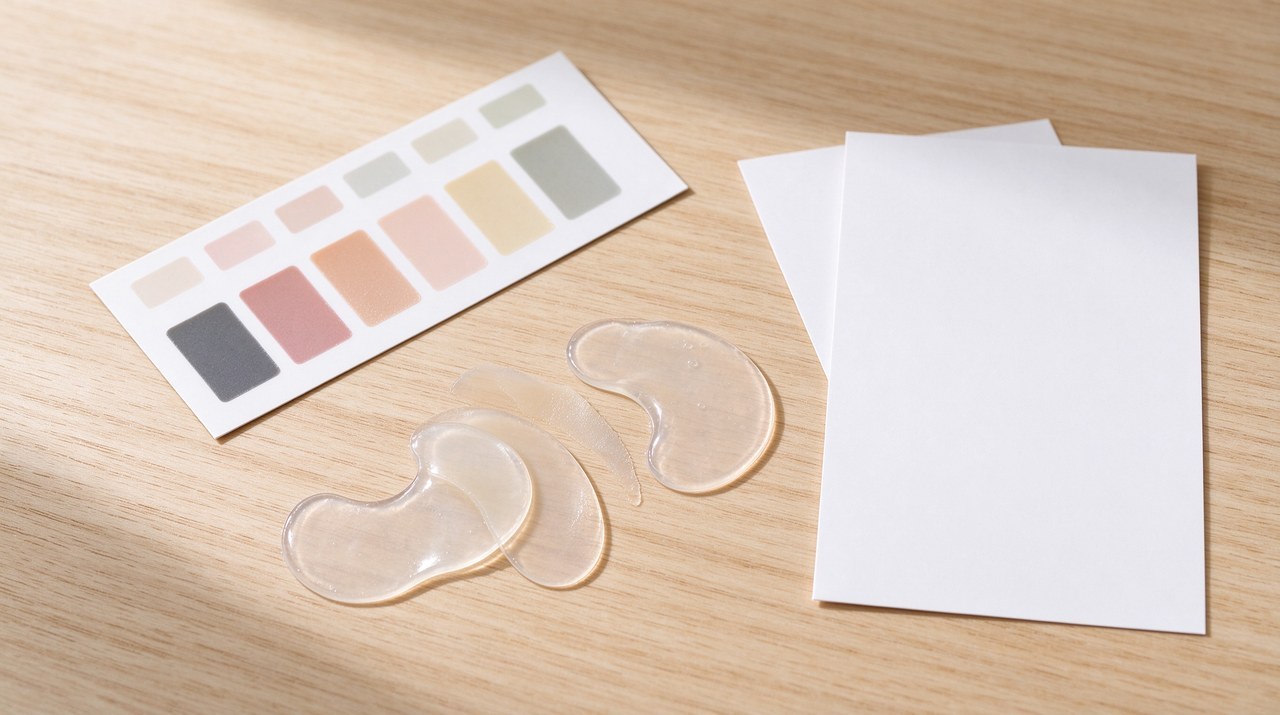
공장 현장 기준으로 정리한 아이패치 제조 가이드입니다. 패치 제형, 현실적인 최소 주문 수량과 원가 구성, 20~25일 양산 기간, 목적지별 수출 서류, 공장 실사 체크리스트를 담았습니다.
Read case →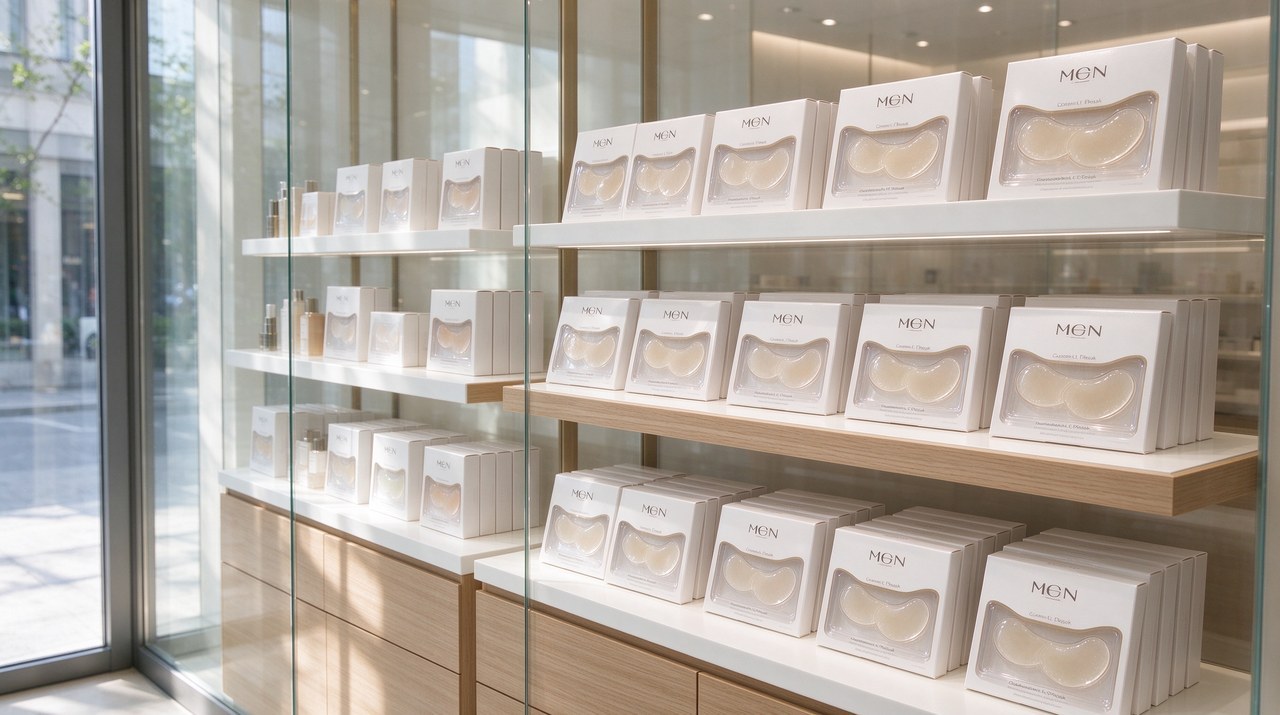
유럽의 인디 눈가 케어 브랜드가 12주로 고정된 일정 안에 하이드로겔 아이패치 라인을 매장에 올려야 했습니다. 실제로 작동한 일정, 결정, 그리고 숫자를 공개합니다.
Read case →
광저우 화장품 공장의 생산 및 연구 담당자가 대화형으로 답한 Q&A입니다. 최소 주문 수량, 납기, 인증, 맞춤 포뮬러, 시험 절차 그리고 바이어가 놓치기 쉬운 질문까지 다룹니다.
Read case →